
What does the New York State inspection check?
New York's DMV says each car and light truck registered in New York must be inspected at least every 12 months. The safety part covers things like brakes, steering, tires, lights and glass, and most newer gas cars also get an emissions test.
How often is it needed?
New York's DMV says each car and light truck registered in New York must be inspected at least every 12 months. Motorcycles and trailers have different rules, so this page is about cars and light trucks. An inspection is also needed after a change of ownership, and a previous owner's inspection is not valid.
What does the safety inspection cover?
For cars and light trucks, New York's DMV lists:
- seat belts
- brakes: pads or linings, rotors or drums, master cylinder, lines and hoses, parking brake, pedal reserve and brake equalization (a straight stop without significant wheel pull)
- steering, front end, suspension, chassis or frame, and wheel fasteners
- tires: at least 2/32 inch of tread, no fabric break or cut over 1 inch long or wide, and no visible bumps, bulges or knots
- lights, glass and wipers (no windshield crack 11 inches long or longer is allowed if any part of it is within the area cleared by the wipers)
- horn, mirrors and fuel leaks
The DMV says the air-bag warning lamp and tire pressure are advisories only. The DMV page does not name wheel alignment.
What is the emissions inspection?
Most 1996 and newer gasoline vehicles, and most 1997 and newer diesels under 8,501 pounds gross vehicle weight, get the OBD II test. It checks the check-engine light and the car's onboard diagnostic results. Some vehicles are exempt from emissions testing, such as electric vehicles, and still need the safety inspection. Check the DMV page for the exact rules for your car.
Where can it be done?
New York's DMV says by a certified inspector at a DMV-licensed inspection station that displays the yellow-and-black "Official Inspection Station" sign. The DMV has a "Find a DMV-Regulated Business" tool to look a station up. The DMV says the tool does not cover fleet or dealer inspection stations, or any business without a current valid registration or license. The same tool finds registered repair shops and body repair shops.
What if the car fails?
New York's DEC says the vehicle inspection report lists the reasons for a failure. You do not get a new sticker until the car passes a new inspection. New York's DMV says you can have the repairs done at any registered repair shop, or do them yourself, and then the car must pass a new inspection at a station of your choice. The station must get your permission before any repairs.
What does "not ready" mean?
New York's DMV says clearing codes, or a recent battery disconnect, can leave the car "not ready," which means the car's self-tests have not finished. New York's DEC says disconnecting the battery to get around the check also causes a failure.
What can I ask?
- What exactly did the car fail on, and where is it written on the receipt?
- Can I see the part that needs work?
- Is the repair written on the estimate with each part and the labor?
- Do I need to come back to this station, or can I choose another one?
Our College Point shop listed NYS inspections.
General information only. This page does not say what any iDeal shop offers. Naming a source does not mean any iDeal shop is certified by it or affiliated with it.
Request a repair estimate
Tell us what happened and where the damage is. A person at iDeal Automotive Group will try to reach you and connect you with one of our body shops.
Have a question about your car? Tell us what happened.
Use the estimate form Calls to this number are answered by iDeal Automotive Group, who connect you to one of our body shops. Ask for a specific shop if you have one.(917) 672-3726Read next
 What are the warning signs of brake and alignment problems?AAA lists squealing, shaking when braking, a harder or spongy pedal, pulling to one side and a puddle under the car as signs your brakes may need service, and says to have a technician check them as soon as possible.
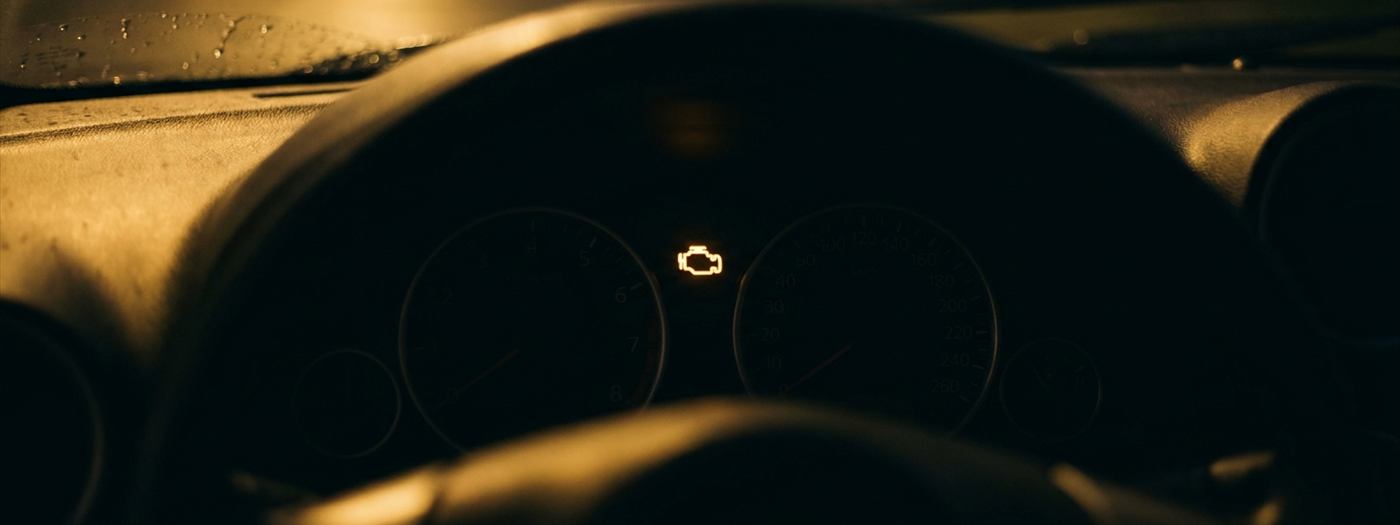 What does the check-engine light mean?A steady check-engine light means the car's computer found a problem and stored a code, and Consumer Reports says to schedule a check as soon as possible.
 When should I replace my tires, and what pressure should they have?AAA recommends replacing tires at 4/32 inch of tread, and Consumer Reports says to start shopping around then, well before New York's inspection minimum of 2/32.